


FotoAward


THE MARILYN STAFFORD FOTOREPORTAGE AWARD 2026
2026 WINNER ANNOUNCEMENT
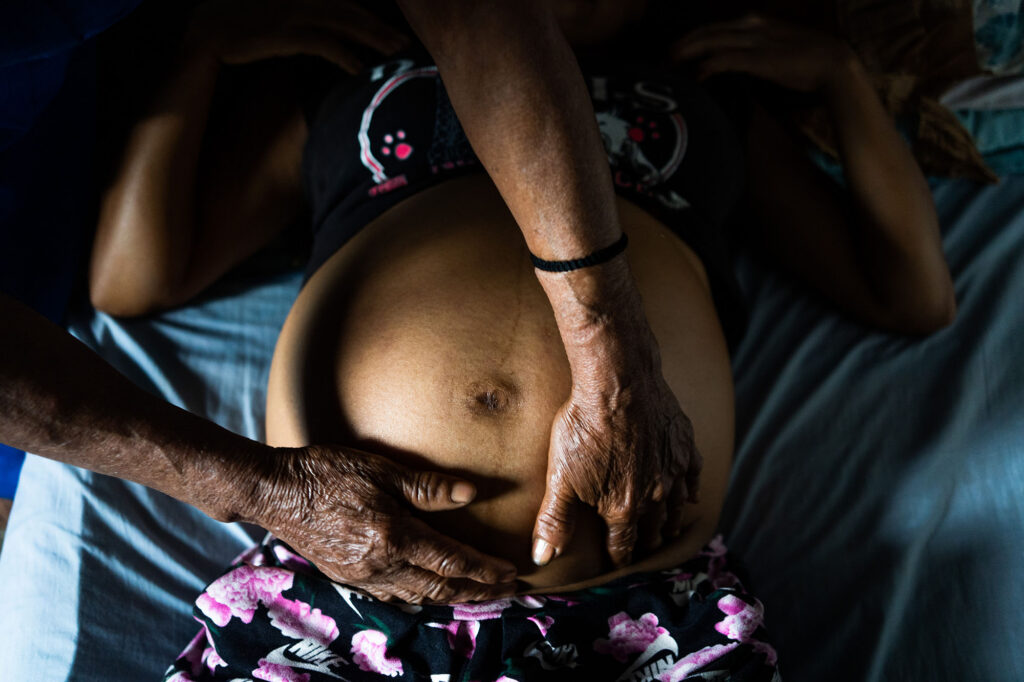
We are delighted to announce that the Winner of the Marilyn Stafford FotoReportage Award 2026 is Johanna Alarcón for her photo essay ‘When the Earth Gives Birth’.
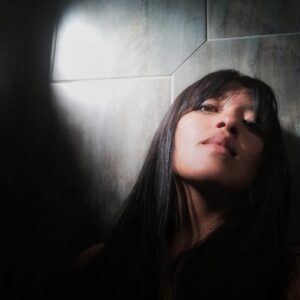 Johanna Alarcón (1992) is an Ecuadorian independent visual storyteller and educator. Her practice is rooted in long-term collaborative processes that explore collective memory, spirituality, and the relationship between community and territory. Through photography and participatory storytelling, she examines the intersections of social justice, gender, identity, and belonging across Latin America and the Global South. Her work seeks to challenge stereotypes and the enduring effects of colonial structures, focusing on the experiences of women, Indigenous peoples, Afro-descendant communities, and incarcerated populations. Through intimate and community-centered narratives, she explores resilience, memory and humanity. Johanna is a National Geographic Explorer, World Press Photo Award winner, CatchLight Global Fellow, and Magnum Foundation Fellow. She is represented by Panos Pictures (since 2021) and is a member of Ayün Fotógrafas. Her work has been exhibited internationally and published in leading media outlets, galleries, and festivals around the world. She currently leads educational initiatives while developing her authorial documentary projects.
WHEN THE EARTH GIVES BIRTH
When the Earth Gives Birth explores Indigenous maternal healthcare in Ecuador through the stories of midwives, apprentices, and patients from AMUPAKIN and Partera di Anaku, the first Indigenous midwifery schools and hospitals in the Amazon and Andes. In a country where Indigenous women face disproportionately high maternal mortality rates, limited access to healthcare, and widespread obstetric violence, these women-led initiatives have provided community-based maternal care for more than three decades. Through photography, audio, and text, the project documents Indigenous midwifery as a response to maternal healthcare inequalities, racial discrimination, land dispossession, and the loss of ancestral knowledge. Midwives travel across rivers, forests, and mountains to reach remote communities where public healthcare is often absent. As older midwives age, a new generation of Indigenous women is being trained to preserve this living tradition. The project highlights Indigenous-led solutions as acts of reproductive sovereignty, cultural preservation, territorial defense, and resistance, offering globally relevant models for women’s, children’s, and Indigenous rights.


THREE PHOTOGRAPHERS WERE AWARDED HONOURABLE MENTIONS
ANA CAROLINE DE LIMA
for ‘Sempre-Vivas’
NATELA GRIGALASHVILI
for ‘The Final Days of Georgian Nomads’
RANITA ROY
for ‘The Withering Vein: Kosi’s Water and Almora’s Survival’
More information will follow on the full Shortlist and Honourable Mentions and will also appear on insta @fotodocument
The Marilyn Stafford FotoReportage Award is now in its 10th year.
To honour this milestone, we will be holding a celebratory weekend of events at a new photography centre in Hove, UK, called POST.
Tickets for the events will be available soon – check @fotodocument on insta for more information.
The FotoAward of £4,000, facilitated by FotoDocument and supported by Nikon, is granted annually to a professional female photographer towards the completion of a compelling and cohesive documentary photo essay, which addresses an important social, environmental, economic, or cultural issue, whether local or global.

The Award is reserved solely for documentary photographers working on projects which are intended to make the world a better place and which may be unreported / under-reported. The work should, in part, showcase positive solutions to any issue/s it raises and demonstrate impact through practical engagement on the ground.
Image credit: Marilyn Stafford
Indira Gandhi (1917-1984), New Delhi, 1971. Following the war with Pakistan, Indira Gandhi toured India visiting army bases and hospitals in Kashmir.
Previous winners
Please click on an image for more details of previous Winners and Honourable Mentions.

© Jodi Windvogel, 2025 winner
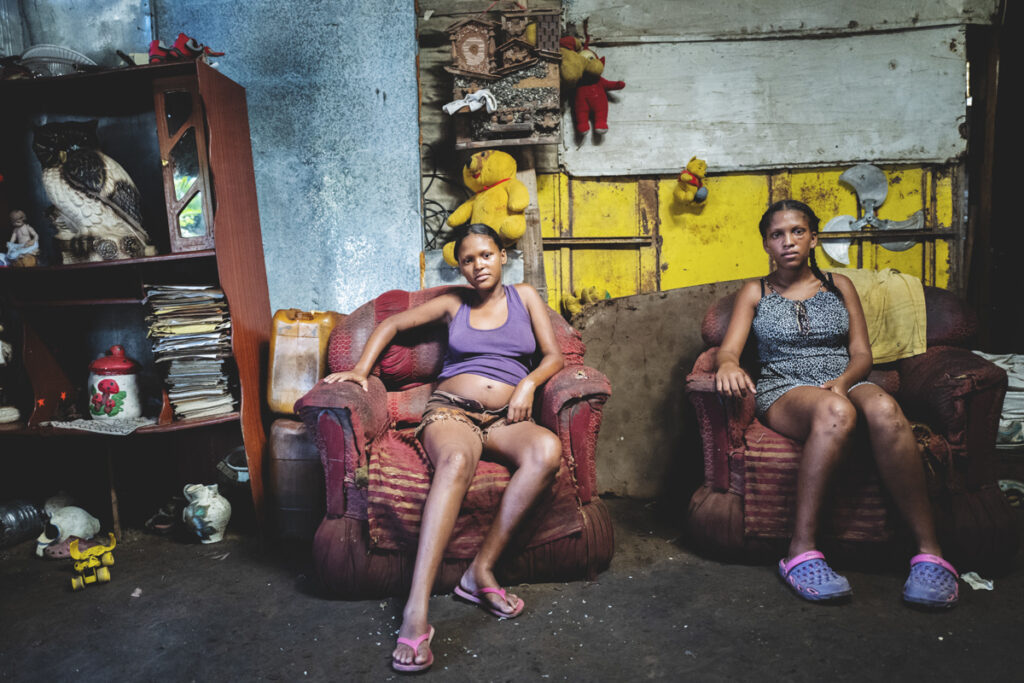
© Ana Maria Arévalo Gosen, 2023 winner
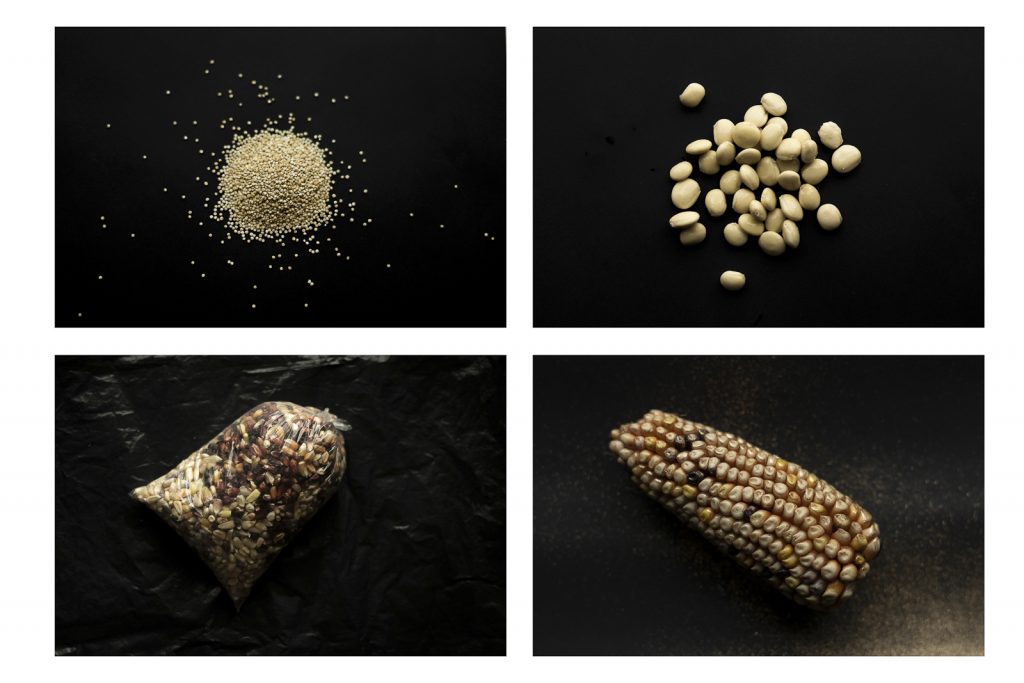
© Isadora Romero, 2021 winner
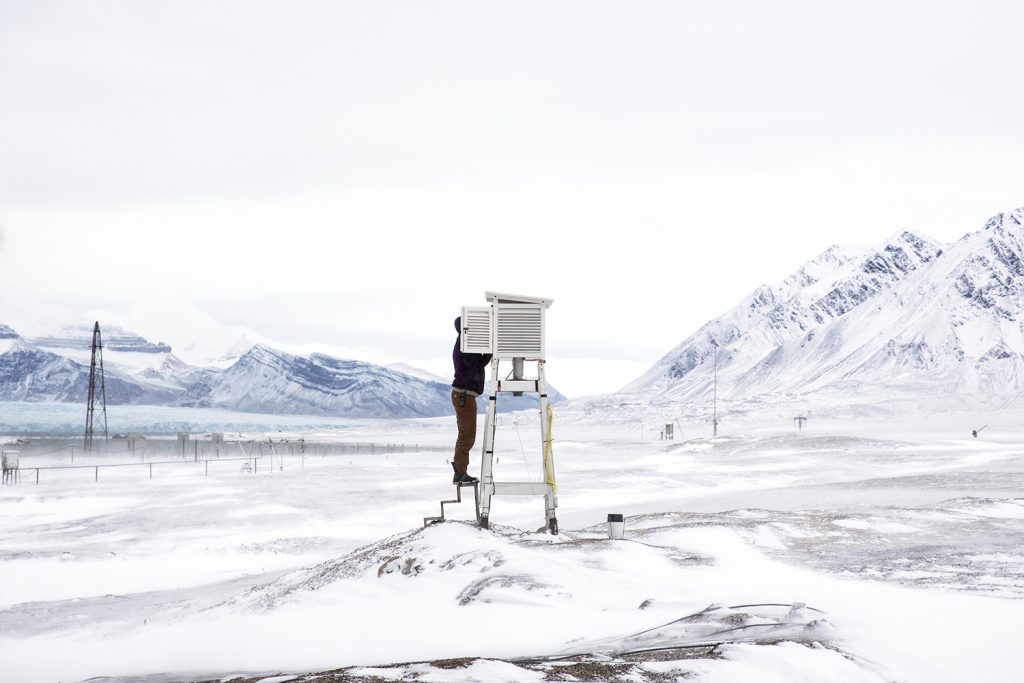
© Anna Filipova, 2019 winner
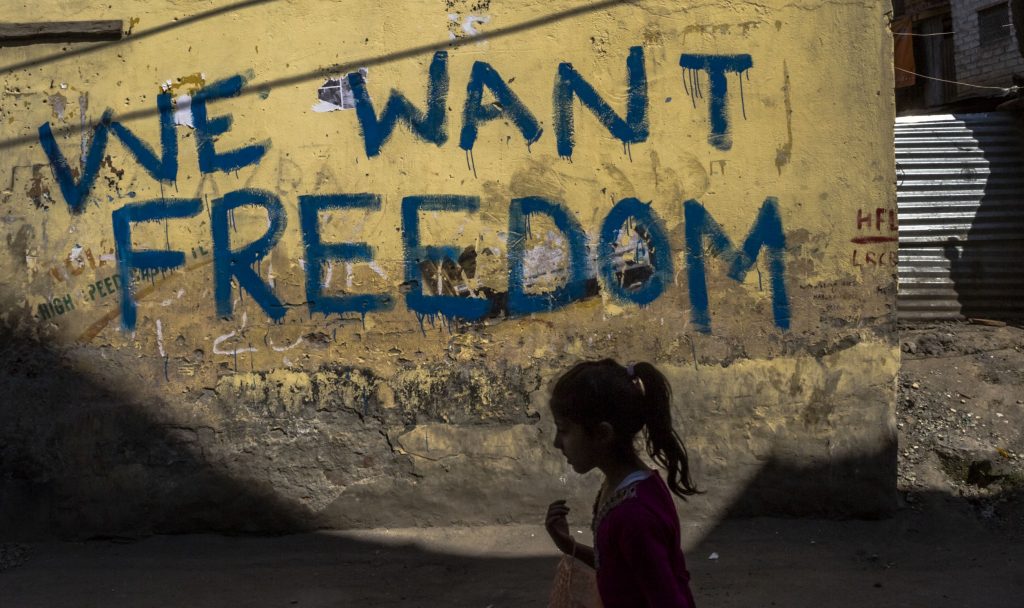
© Rebecca Conway, 2017 winner

© Isabella Franceschini, winner 2024
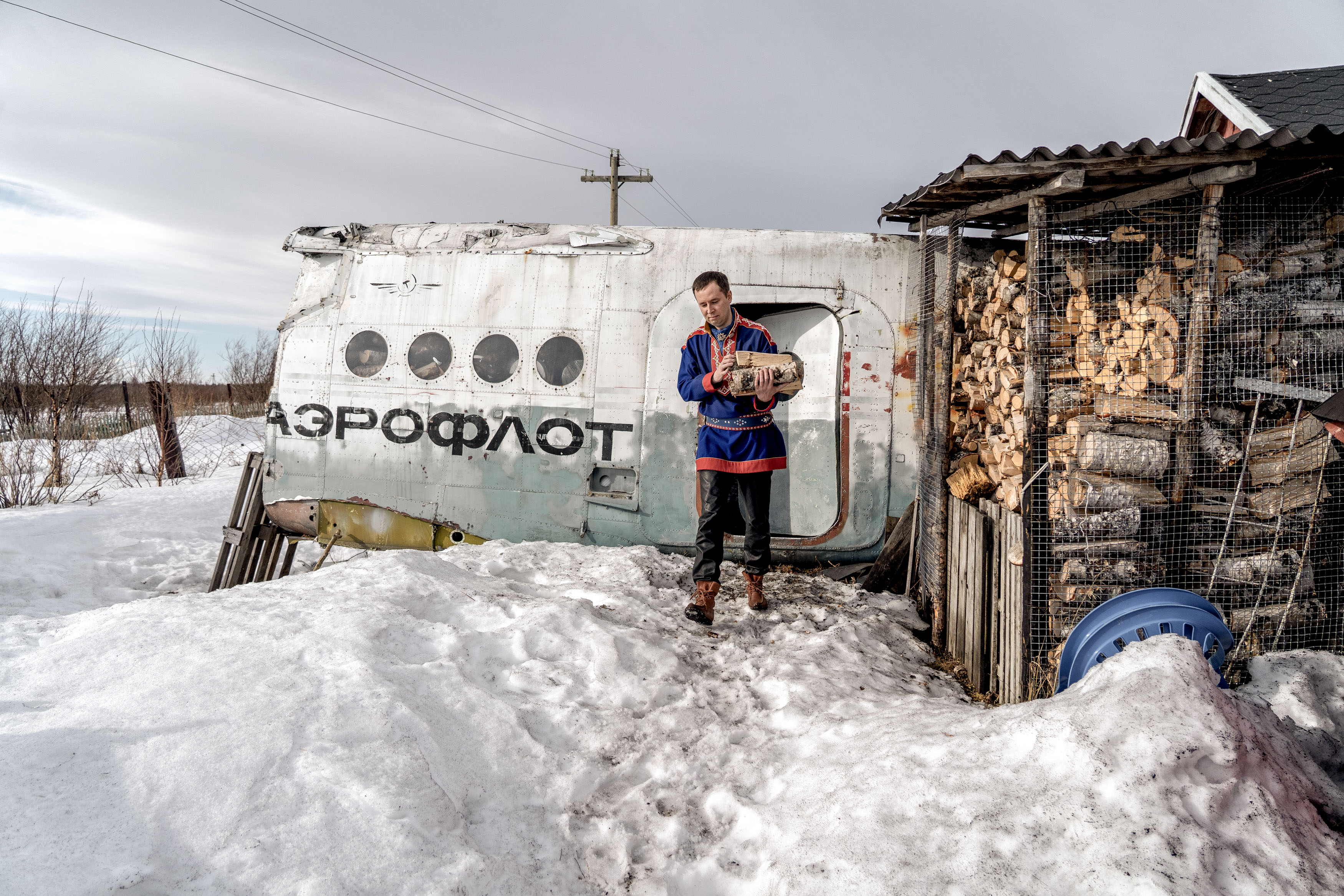
© Natalya Saprunova, 2022 winner
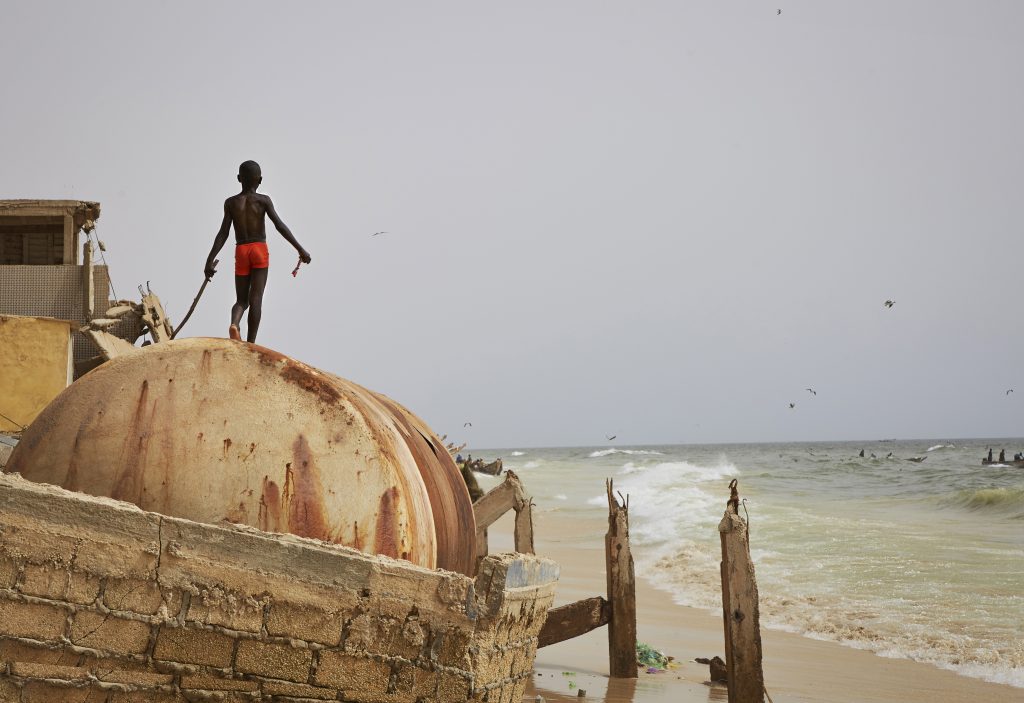
© Nicky Quamina Woo, 2020 winner
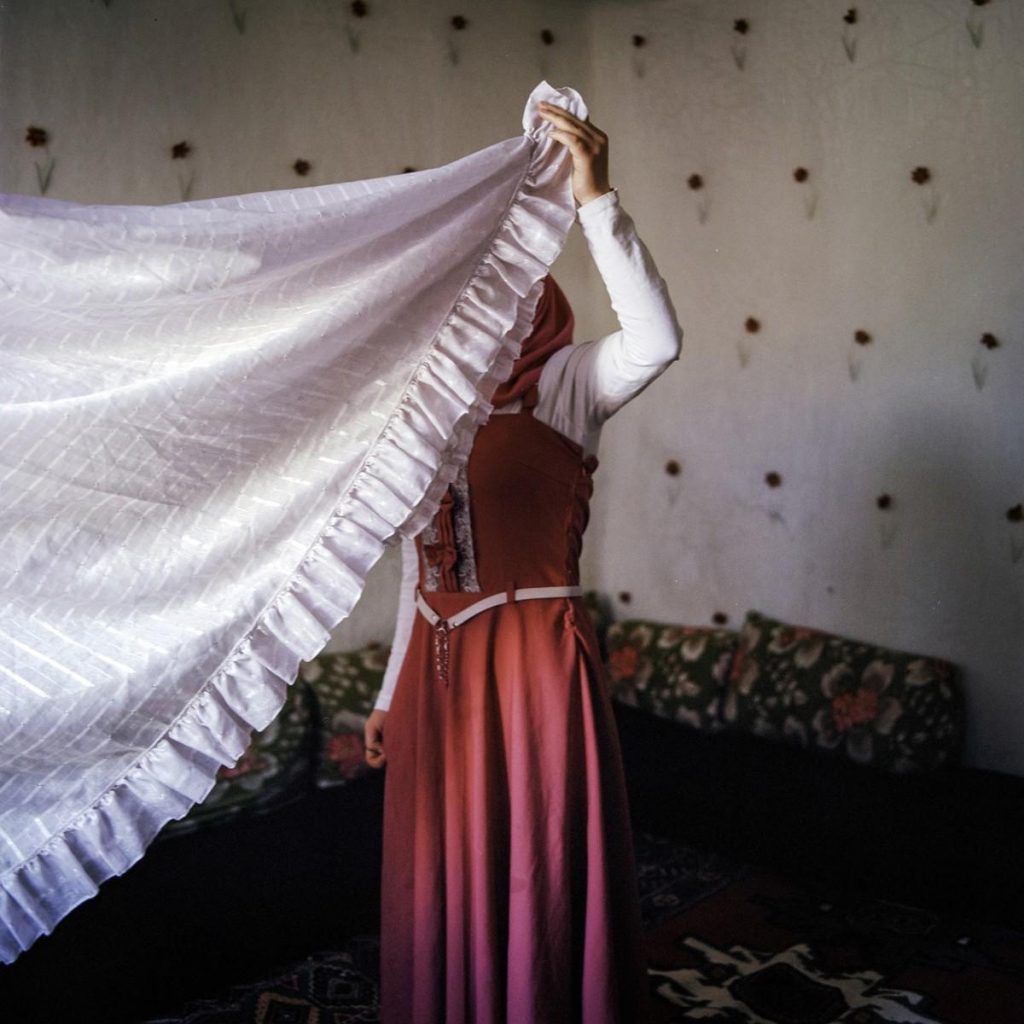
© Özge Sebzeci, 2018 winner